

Social media is no longer something children grow into later in life. For many families, it has become part of everyday routine, from messaging friends after school to watching short videos before bed. Platforms that once felt firmly adult now play a role in shaping how children communicate, learn, and see themselves, often before parents feel ready for those conversations themselves.
While social media does offer clear benefits, it has also raised growing concerns for parents. Questions around mental health, online pressure, and exposure to unsuitable content have led many families to wonder whether children should be using these platforms at all. With recent national debate and proposed policy changes placing children’s online lives under increased scrutiny, concern amongst families has continued to grow.
So what is the conversation around children and social media today? How might new policies affect families across the UK? And what can parents do to help ensure their children are safe and supported online?
How Children Use Social Media Today
 For many children, social media is now a normal part of everyday life. It is how they stay in touch with friends after school, share interests, and feel connected to a world beyond the classroom. Much of children’s social interaction now takes place online, where social media allows them to express their personalities and maintain friendships. Rather than feeling like a separate activity in itself, it often acts as an extension of offline life, allowing relationships to continue and develop long after school ends.
However, social media can also be an intense space for children to navigate. Content moves quickly, and trends can change overnight, making online interactions feel constant or overwhelming. Children may feel pressure to keep up or compare themselves to others, and some may struggle with the sense of always being available. As they are still developing emotionally and socially, managing these experiences can be challenging and may affect their confidence, mood, and overall well-being.
For many parents, social media can feel like unfamiliar territory. Those raising children today are often navigating platforms and online behaviours they did not experience growing up, making it harder to judge what is typical, harmful, or somewhere in between. As platforms, features, and trends change quickly, staying informed can feel demanding, particularly when advice is difficult to apply in everyday life. This uncertainty, combined with the increasing role social media plays in children’s lives, can leave parents feeling unsure about how to guide their children’s online use while keeping them safe and supported.
Why Social Media Is A Growing Concern For Families
Concerns regarding children’s use of social media have grown steadily in recent years, prompting a wider national conversation about how young people experience the online world. As social media has become more embedded in everyday life, many parents have begun to question the kinds of content children encounter and how easily they can come across material that may not be suitable for their age. The challenge is often heightened by the difficulty of monitoring online spaces that move quickly and operate largely out of sight. 
One of the most frequently raised concerns relates to children’s mental health and emotional well-being. Parents and professionals alike have expressed worries about the effects of constant comparison, online pressure, and the expectation to always be available. For some children, these experiences can influence confidence, disrupt sleep, or contribute to feelings of anxiety and low self esteem, particularly when clear boundaries are hard to establish or maintain.
Alongside this, there is unease about the broader range of content children may be exposed to online. This includes harmful or distressing material, misinformation, and content that is not designed for young audiences. Although most platforms have age restrictions and safety measures in place, many families feel these do not always reflect the reality of how children use social media in practice. As a result, there have been growing calls for clearer guidance, stronger protections, and better support for both children and the adults caring for them.
What’s Changing In Children’s Online Policy
In the UK, growing political and public concern around children’s use of social media has led to renewed debate about potential policy changes. One of the most widely discussed proposals in recent weeks has been whether to introduce an Australia-style ban on social media access for under-16s. The consultation, which is set to run for three months, is considering a range of options, including raising the digital age of consent, tightening age verification systems, and reviewing platform features that encourage prolonged use, such as “doom scrolling”.
These discussions sit alongside existing legislation designed to improve online safety for children, including the Online Safety Act. However, the current debate reflects a growing sense that legislation alone may not be enough to address what many families experience as a fast-moving and complex issue. For parents, the challenge is not only about rules and age limits, but about how effectively those rules translate into safer online spaces in everyday life, particularly as platforms and online trends continue to evolve rapidly.
Supporting Children On Social Media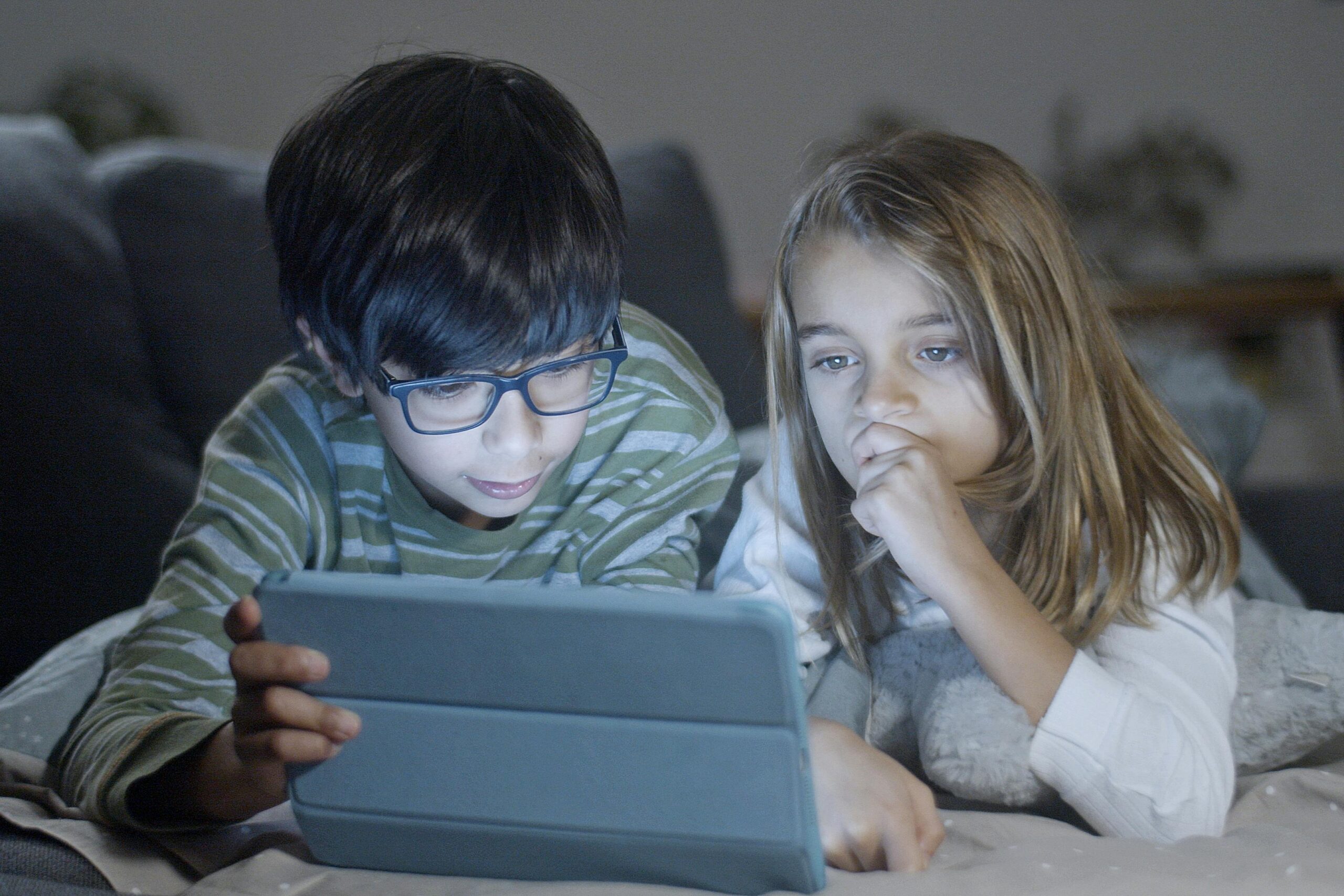
As social media continues to evolve, it can be difficult for parents to know where to start when supporting children’s use of these platforms. While there is no single right approach, small and consistent actions can help children feel supported as they navigate the online world.
Keep Conversations Open: Rather than relying on one big discussion, parents can keep conversations about social media ongoing and low-pressure. Regular check-ins help make these topics feel normal and give children space to talk openly about what they are seeing and experiencing online.
Show Interest: Asking children to show the videos, creators, or games they enjoy can help parents better understand their online world. This can also open the door to natural conversations about content, trends, and how social media works, without it feeling like an interrogation.
Encourage Balance: Social media does not have to be all or nothing. Encouraging a balance between online and offline activities can help children develop healthier routines, without making screens feel forbidden or something to hide.
Talk About Feelings: Helping children reflect on how certain posts, comments, or interactions can help build emotional awareness. These conversations can support children in recognising when something online is having a negative impact and when it might be time to step back.
Reassure and Support: Reassure children that if they ever come across something online that feels upsetting, confusing, or uncomfortable, they can always ask for help. Knowing they are not alone and will be listened to can make a significant difference in how they cope with challenges online.
For more detailed guidance and practical support, you can read our full article on Parenting in the Digital Age, which explores children’s online experiences in greater depth.
Final Thoughts
Social media is now an unavoidable part of childhood. While it can offer real benefits, it also brings challenges that many families are still learning how to navigate. As national debate and proposed policy changes continue to evolve, the day-to-day reality for parents remains the same: supporting children as they grow emotionally and socially while finding their way through an increasingly fast-moving digital space.
Rather than focusing on fear or blame, conversations around children and social media are most helpful when rooted in balance, understanding, and support. By staying informed, keeping communication open, and seeking help where needed, families can help children feel safer, more confident, and better supported both online and offline.
Written by Charles Buttle