

From bedtime stories to the first book a child picks up and reads for themselves, reading can be a familiar part of growing up. But in a world increasingly filled with screens, videos and countless forms of entertainment, encouraging children to pick up a book can sometimes feel easier said than done. So, why does reading still matter, and how can parents and carers help children discover a love of it?
Why Reading Matters
Reading is so much more than simply recognising words on a page. For many of us, books can
open up new worlds of ideas, people and experiences, and for children, this is no different. A
book can help children understand the world around them, turning unfamiliar topics and
complicated concepts into something accessible and engaging. Equally, it can open the door to
somewhere completely new, allowing them to experience different worlds and possibilities while
giving their imagination and creativity room to grow.
Developing a positive relationship with reading during childhood can also have benefits that
continue as children grow. When reading becomes something to enjoy rather than simply another
task, it can encourage a curiosity that extends beyond books themselves. Whether they grow up
to love novels, comics, non-fiction or simply the occasional book on holiday, introducing reading
as something enjoyable during childhood can help create a positive relationship with stories that
they may carry with them throughout their lives.
How Reading Helps Children Grow
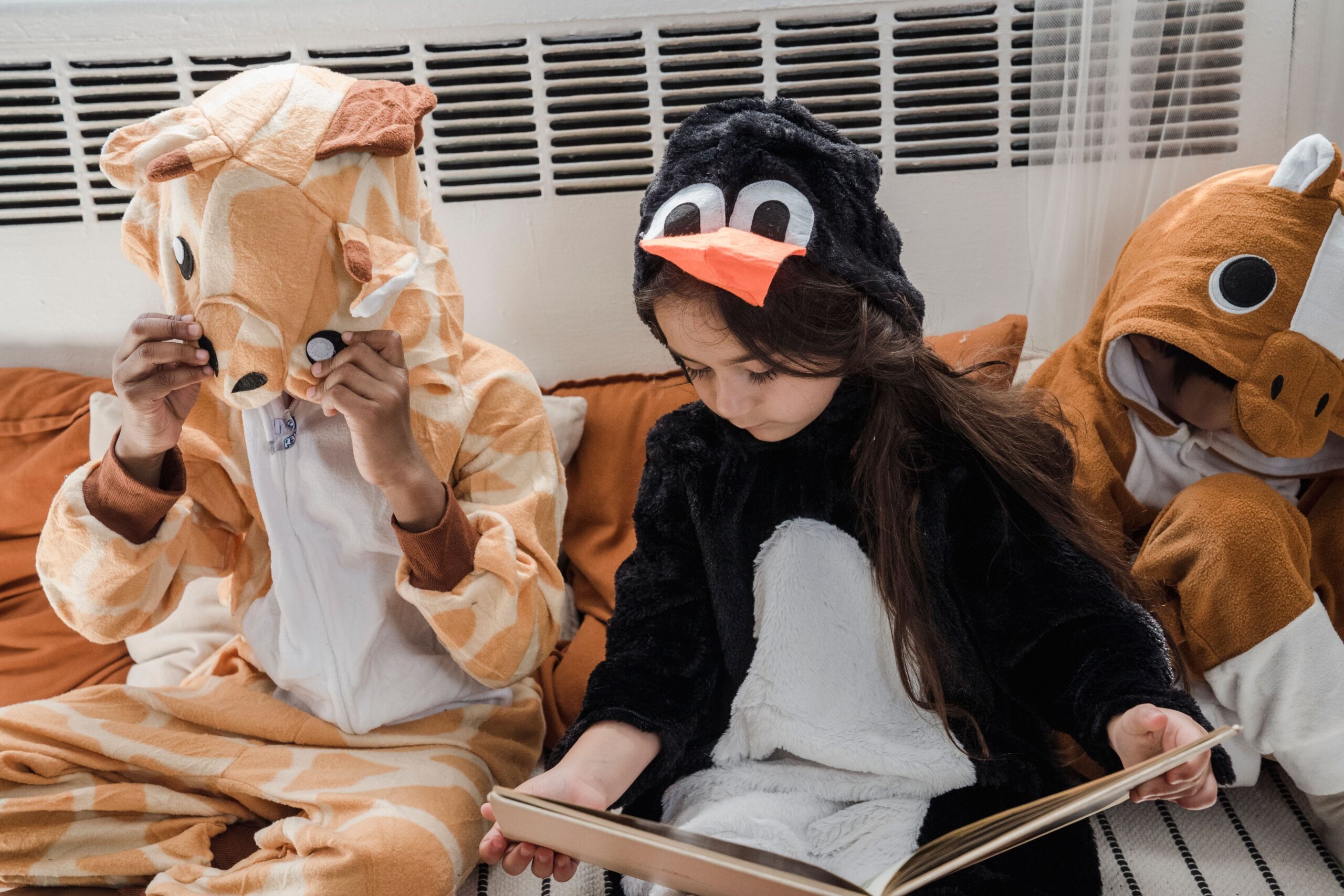 The benefits of reading can be seen across several areas of a child’s development. Regular reading can help strengthen language and communication skills by introducing children to new vocabulary, different sentence structures and ways of expressing themselves. As these skills develop, children may become better equipped to communicate their thoughts, ask questions and engage with what they are learning both at home and at school.
Books can also support children’s social and emotional development. Following characters through friendships, disagreements, changes and challenges gives children the opportunity to recognise different emotions and consider why someone might behave or feel a certain way. This can help build empathy and emotional awareness, while providing a natural starting point for conversations about feelings and experiences that children may otherwise find difficult to discuss.
Helping Children Build a Love of Reading
Encouraging children to read does not have to mean setting strict reading times or turning books
into another piece of homework. Small changes can help make reading feel like an enjoyable part
of everyday life, while giving children the freedom to discover the kinds of stories and subjects
that genuinely interest them.
Let Them Choose: Giving children some control over what they read can help them discover
what genuinely interests them. Whether they choose an adventure story, comic, fact book or
something completely unexpected, following their interests can make reading feel less like an
obligation.
 Read Together: Reading does not have to be something children always do alone. Sharing a story, taking turns reading aloud or simply sitting together with a book can make reading an enjoyable activity while creating opportunities to spend quality time together.
Make Use of Your Local Library: Libraries give families access to a huge variety of books without the expense of continually buying something new. Regular visits can also give children the freedom to browse, explore different subjects and choose something for themselves.
Talk About What They’re Reading: Showing an interest in a child’s book can make their reading
feel valued. Asking what they think of the story, who their favourite character is or what they think
might happen next can turn reading into something they can share with others.
Keep Reading Fun: Not every child will enjoy the same books, and not every book needs to be
finished. Allowing children to try different genres and formats without putting pressure on them
can help ensure reading remains something associated with enjoyment rather than another task
they have to complete.
Final Thoughts
Reading can offer children so much more than the ability to understand the words on a page. From supporting their development to giving them opportunities to explore new ideas, emotions and experiences, stories can become an important part of how children learn and grow. By keeping reading enjoyable and giving children the freedom to discover what interests them, parents and carers can help build a relationship with reading that has the potential to stay with them for years to come
Written by Charles Buttle