
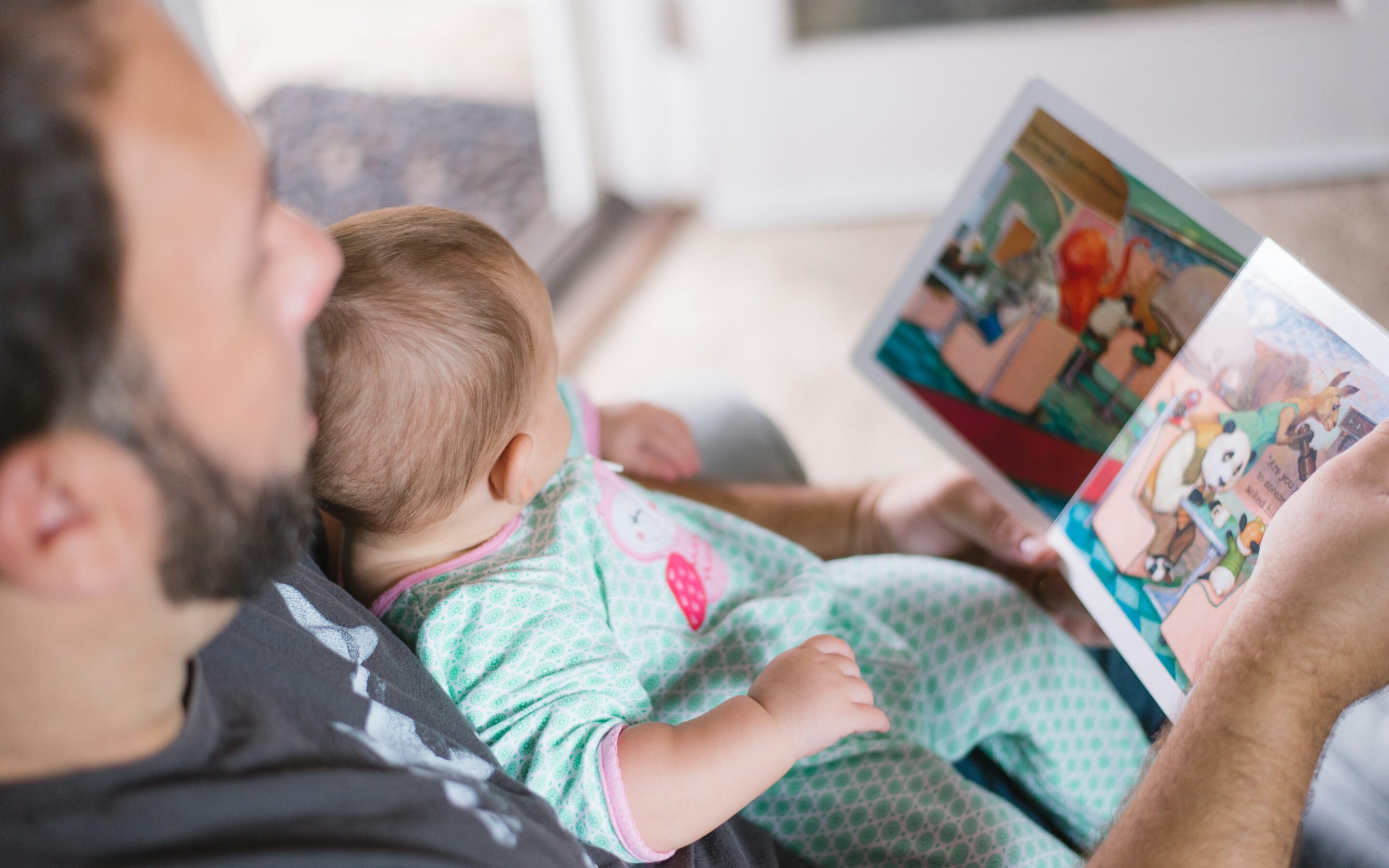
Quality time with our children means giving them our undivided attention. Sounds easy, right? But in between all the school runs, homework, play dates and after-school clubs, our time has become squeezed, leaving us searching for those moments of true connection. Sometimes, we can all be in the same room, but are we truly communicating with each other?
What does quality time mean to you?
Every family’s version of quality time is different. When I think of my own childhood, I remember my grandad teaching me and my younger siblings how to play cards. Relentlessly competitive, my grandad would treat us as though we were his equals and would always play to win—despite the fact we were all still in primary school. His trick of ‘accidentally’ losing a vital card down the side of the sofa is still spoken about with exasperated affection. These games are some of my fondest memories.
Plan for time together
 Building communication into daily routines is key. Driving to school, bath time, bedtime: these are all ideal places to talk as they are generally away from screens and have less distractions. Questions such as ‘what was the best part about today?’ can help children reflect about their positive experiences and provide opportunities to talk through anything they found tricky.
Small and meaningful, not big and expensive.
Time together does not have to mean costly day trips. Young children often enjoy being involved in anything their parents are doing. Gardening, cooking, household chores—who doesn’t love a helper? However, these tasks will often come with a time limit, and it can be difficult to remain fully focussed on our children. Here is some inspiration for low-pressure and cheap activities to try:
Jigsaws: There is something inherently satisfying about completing a puzzle. For little ones, it can be a fantastic way of practicing positional language and counting. Encouraging children to describe the piece they are holding is also a great opportunity to extend their vocabulary.
Teddy bear’s picnic: This activity is one that works outside or on a rainy day. Make up new names and backstories for all the toys. Do they get along? Or is one teddy in charge and bosses all the others around?

Practise a sporting skill: As children get older, they will begin to have more complex P.E. lessons. Most children would welcome a chance to perfect their new skills with an adult (or at least have a go in a less pressured environment). So dust off your trainers and dig out your jogging bottoms—even if sport isn’t your strong point children will love to show you how it is supposed to be done!
Follow their lead: Take an interest in something they enjoy. Ask for a tour of their favourite Minecraft world. Read a Kpop magazine together. Organise a family movie night with no phones or other screens allowed.
Time spent with our children is never wasted.
It was once said that the experiences we give our children become their memories, and those memories become their childhood. Sometimes the smallest moments can make the biggest impact. By giving our children meaningful quality time, we are reaffirming our love and respect for them, instilling a sense of self-worth. Truly, the greatest gift we can give our loved ones is our time.
Written by Ali Scott